



What are the functions and characteristics of smart clothing?
Smart clothing refers to intelligent wearable devices that, based on traditional clothing, integrate various smart technologies and sensors. They can monitor, record, analyze, and provide feedback on human physiological data, physical conditions, environmental information, etc., and offer corresponding functions such as health management, sports training, and medical care. Usually, smart clothing adopts flexible electronics technology, directly integrating components such as sensors, chips, and batteries into the clothing materials, so as to achieve real-time monitoring of the human body and data collection. 
Smart clothing is an intelligent wearable device that integrates various smart technologies and sensors. It can achieve real-time monitoring and data collection of human physiological data, physical conditions, environmental information, etc., and provide users with multiple functions such as health management, sports training, and medical care. The functions of smart clothing include but are not limited to the following aspects: 1. Health management: Smart clothing can monitor physiological indicators of the human body such as heart rate, respiration, body temperature, and blood pressure, helping users better manage their health conditions. 2. Sports training: Smart clothing can monitor data such as athletes' exercise postures, strength, and speed, and provide professional sports training suggestions and guidance. 3. Medical care: It can monitor data such as patients' vital signs and changes in their conditions, helping medical staff detect problems in a timely manner and carry out intervention treatment. 4. Safety protection: Smart clothing can monitor information such as environmental temperature, humidity, and air pressure, and provide corresponding safety protection measures.

Compared with traditional clothing, smart clothing has the following characteristics: 1. Intelligence: Smart clothing integrates various intelligent technologies and sensors, enabling real-time monitoring and data collection of human physiological data, physical conditions, environmental information, etc. 2. Comfort: Smart clothing adopts flexible electronics technology, directly integrating components such as sensors, chips, and batteries into the clothing materials, which will not cause discomfort to the human body. 3. Wearability: The design of smart clothing takes into account ergonomics and wearing comfort, and can meet the daily wearing needs of users. 4. Multifunctionality: Smart clothing can achieve multiple functions such as health management, sports training, medical care, and safety protection, providing users with comprehensive services. 5. Personalization: Smart clothing can be customized and designed with personalized features according to users' needs and preferences, meeting the needs of different users.
Recommended reading
-
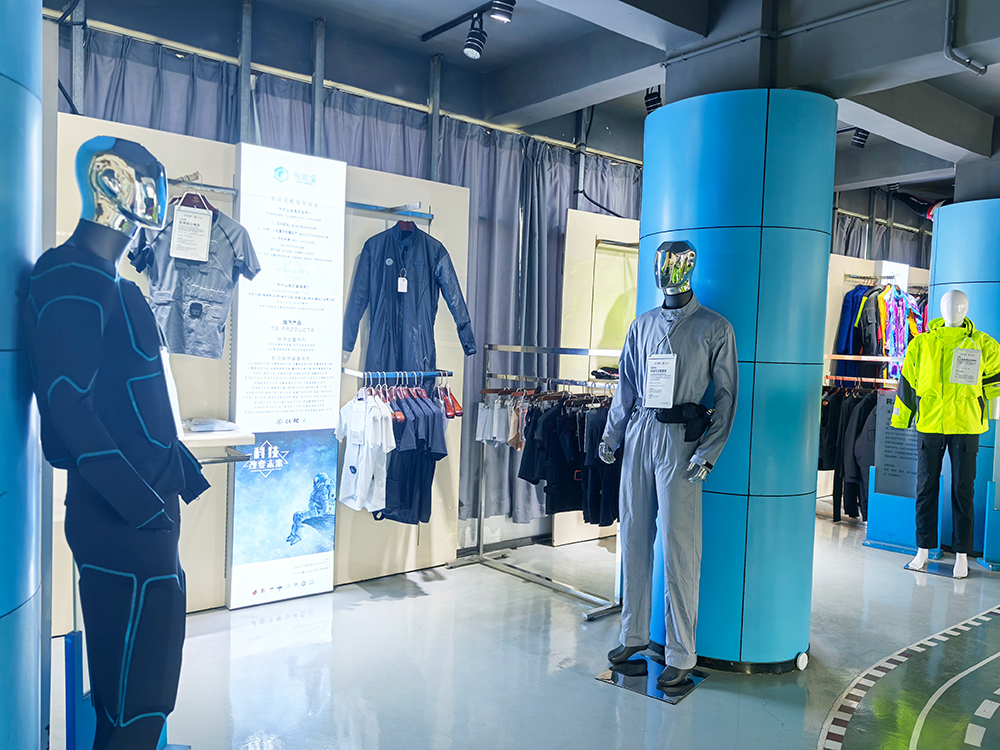
Smart Liang Technology Apparel: The Leader in Customized R&D and Production of Smart Apparel
2025-03-12
-
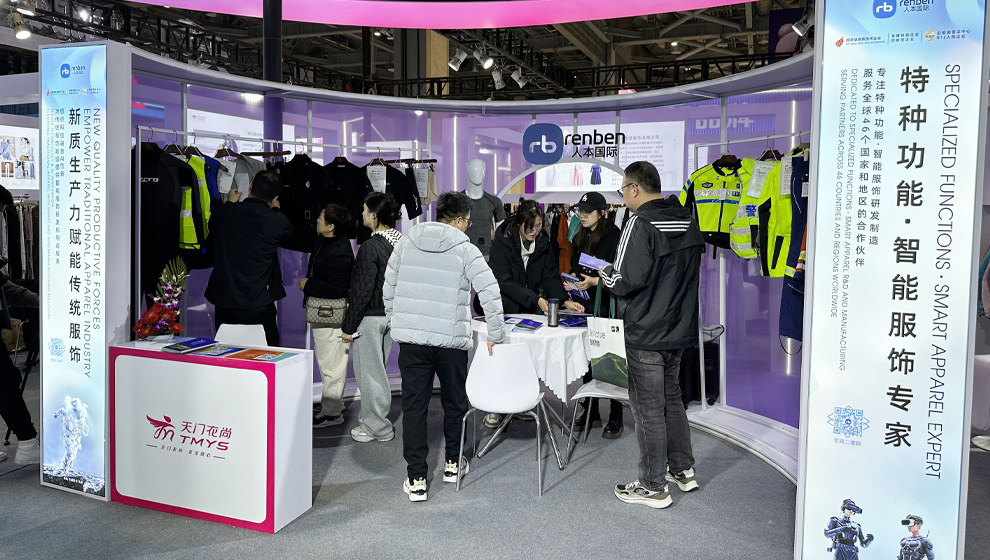
The latest developed special-function smart wearable apparel equipment of Smart Liang Technology Apparel made its debut at the China International Clothing & Accessories Fair (CHIC).
2025-03-12
-
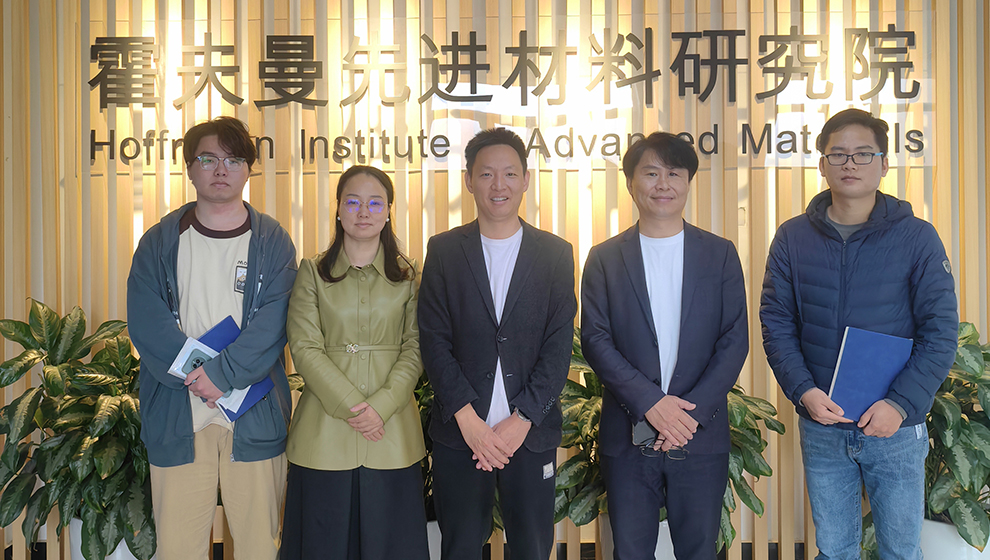
Intelligent Technology Apparel and Hofmann Advanced Materials Research Institute have reached a cooperation intention of "industry university research"
2025-02-14

- Renben International Building, Building 3, Guanfeng Industrial Park, Jiuwei Community, Hangcheng Street, Bao'an District, Shenzhen
- 13534062216
- 2355960205@qq.com

Official WeChat

Official TikTok